
Kenya vs Tanzania vs Uganda vs Ethiopia

Selecting a supplier in East Africa is a big decision for any beauty brand. You might be a wholesaler in Nairobi or a small manufacturer in Addis Ababa. Either way, you need ingredients that are pure, affordable, and easy to get.
East Africa is a "wellness hub" right now. The region has some of the best soil and climate for growing essential oil crops. But every country is different. Kenya, Tanzania, Uganda, and Ethiopia each have their own strengths. They also have their own challenges.
And that is why buyers often compare them. You want to know where to get the best Tea Tree or the most consistent Frankincense. You also want to know which country has the best export rules.
In this guide, we will break down the essential oil industry across these four nations. We will look at what they grow and how they ship. We will also see how a global supplier like AG Organica compares to these regional options.
Our goal is to give you a factual, calm look at the market in 2026. This is not about hype. It is about helping you make a smart choice for your business.
How the Essential Oil Industry Works in East Africa
The industry in East Africa is built on diverse climates. You have the cool highlands of Kenya and Ethiopia. You have the tropical warmth of Tanzania and Uganda.
This variety allows the region to grow many different plants. Common crops include Lavender, Eucalyptus, Lemongrass, and Rosemary. In drier areas, you find the famous resins like Frankincense and Myrrh.
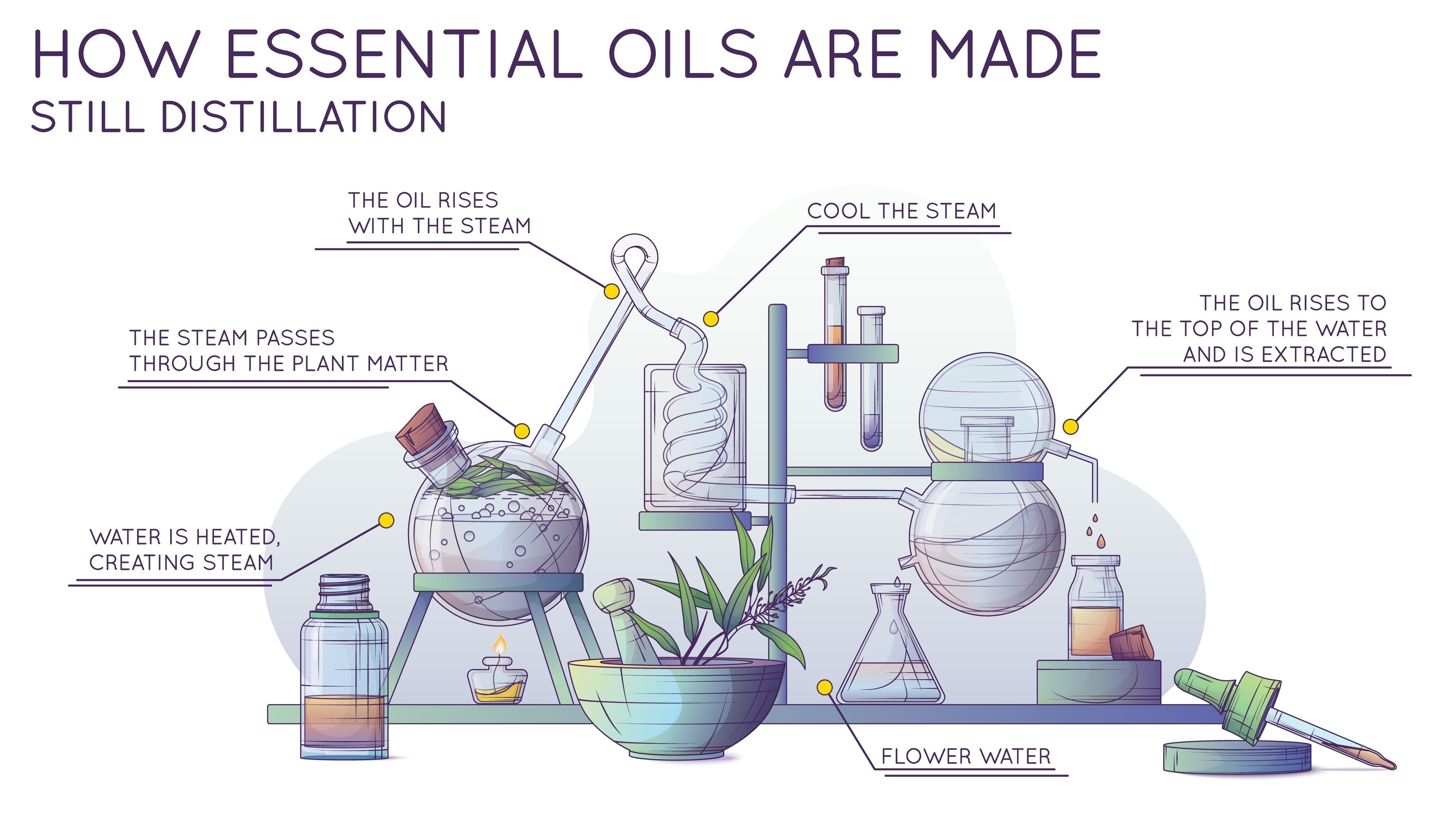
But growing the plant is only half the work. The real value is in the distillation. This is where the plant is turned into oil.
Demand Essential Oils in Kenya
Some countries have large, modern factories. Others rely on small-scale farmers with simple setups. This difference affects the price and the quality of the oil you buy.
Supply chain maturity also matters. A country with good roads and a busy port makes it easier for you to get your stock. In 2026, the African Continental Free Trade Area (AfCFTA) is helping, but cross-border trade still has some bumps.
Country-Wise Analysis
-
Kenya: The "Professional" Hub
Kenya is the leader in East African cosmetics. Nairobi is the center for manufacturing and distribution.
- Key Crops: Tea Tree, Rosemary, Lavender, and Eucalyptus are the big winners here. Tea Tree is huge for the acne-care market. Rosemary is the top choice for the natural hair movement in cities like Nakuru and Eldoret.
- Quality and Scale: Kenya has some of the most mature distillation facilities in the region. Many farms are large and use modern technology. This means the oil is usually of high quality.
- Export Network: The port of Mombasa is a major advantage. It is fast and handles large volumes. Kenya also has strict rules set by the Kenya Bureau of Standards (KEBS).
- Common Challenges: But Kenya can be expensive. Labor costs and land prices are higher than in neighboring countries. Also, the high demand means that popular oils like Rosemary can sometimes run out during the dry season.
- Best For: Large-scale manufacturers and brands that need high-quality oils with formal documentation.
-
Tanzania: The "Wellness" Specialist
Tanzania has a strong focus on the spa and tourism industry. This has shaped the types of oils they produce.
- Key Crops: Lemongrass, Citronella, Clove (from Zanzibar), and Peppermint. Lemongrass is the favorite here. It is used in almost every hotel and lodge as a natural insect repellent.
- Farming Style: Tanzania relies more on smallholder farmers. This gives the industry a very "natural" and "artisanal" feel.
- Pricing Trends: Pricing in Tanzania is often lower than in Kenya. But because production is spread across many small farms, the smell of the oil can change from batch to batch.
- Export Quality: The port of Dar es Salaam is the main gateway. It is improving fast but can still face some delays compared to Mombasa.
- Best For: Spa brands, soap makers, and buyers looking for affordable Lemongrass or Citronella.
-
Uganda: The "Organic" Potential
Uganda is often called the "Pearl of Africa" because of its fertile soil. It has massive potential for organic essential oils.
- Key Crops: Lemongrass, Geranium, and various herbal oils.
- The Upside: Uganda has some of the best land in the region. The cost of production is relatively low. Many buyers look to Uganda for "wild-harvested" or organic-style oils.
- The Problems: The biggest challenge in Uganda is the lack of large distillers. Many farmers grow the crops but struggle to process them. This can lead to delays and inconsistent supply. Being landlocked also means that exports must travel through Kenya or Tanzania, which adds to the shipping time.
- Best For: Small and mid-size buyers who want unique, high-quality oils and aren't in a huge rush for delivery.
-
Ethiopia: The "Ancient Resin" Expert
Ethiopia has a unique place in the market. It is famous for its resins that have been used for thousands of years.
- Key Crops: Frankincense, Myrrh, Ginger, and Hibiscus. Ethiopia produces some of the highest-purity Frankincense in the world.
- Export Ecosystem: Ethiopia has a very strong export system for these resins. They have built a reputation for purity. The government also supports the industry as a major source of foreign currency.
- Price and Reputation: The price for Ethiopian resins is competitive, but the quality is world-class. If you are making luxury skincare or traditional perfumes, Ethiopia is the go-to source.
- Best For: High-volume buyers, pharma companies, and luxury fragrance brands.
Why Kenyan Beauty Brands Prefer Global Essential Oil Manufacturers
Direct Comparison: Kenya vs. Tanzania vs. Uganda vs. Ethiopia
When you look at these four countries together, the differences become clear.
- Quality and Consistency: Kenya and Ethiopia lead here. They have better systems for testing and grading. Tanzania and Uganda have great plants, but the oil quality can vary because the processing is less centralized.
- Pricing: Uganda and Tanzania are usually the most affordable. Kenya is the most expensive because of its advanced infrastructure. Ethiopia sits in the middle but offers great value for high-end resins.
- Volume Capability: If you need 500kg of an oil tomorrow, Kenya or Ethiopia are your best bets. They have the stock levels and the "Star Export House" setups to handle bulk.
- Ease of Doing Business: Kenya is the easiest for most English-speaking B2B buyers. The documentation is clear and the logistics are fast. Tanzania is catching up. Ethiopia has strong rules, but they are very professional. Uganda requires a bit more patience.
Comparison Chart: Regional Suppliers vs. AG Organica
This table helps you see how these countries compare to a global partner like AG Organica.
|
Parameter |
Kenya |
Tanzania |
Uganda |
Ethiopia |
AG Organica |
|
Main Oils |
Tea Tree, Rosemary |
Lemongrass, Clove |
Geranium, Herbs |
Frankincense, Myrrh |
6,000+ varieties |
|
Quality Stability |
High |
Medium |
Variable |
High (Resins) |
Very High (Lab Tested) |
|
Average Pricing |
High |
Low to Medium |
Low |
Medium |
Competitive Bulk |
|
Export Readiness |
Strong |
Improving |
Moderate |
Strong |
Global Leader |
|
Documentation |
Good (KEBS) |
Moderate |
Basic |
Good |
Full (CoA, MSDS, IFRA) |
|
Private Label |
Limited |
Very Rare |
Almost None |
Rare |
Full Support |
|
Bulk Capacity |
Good |
Moderate |
Small |
High (Resins) |
Unlimited/Scalable |
|
Best For |
Skincare brands |
Spas & Soap |
Niche/Organic |
Pharma & Luxury |
All B2B Buyers, Pharma, Skincare, Haircare, etc. |
|
Biggest Challenge |
Cost/Seasonality |
Inconsistency |
Logistics/Delays |
Bureaucracy |
Int. Shipping Time |
|
Strength |
Hub status |
Tourist favorite |
Soil fertility |
Ancient resins |
Consistency |
East Africa vs West Africa: Essential Oil
How AG Organica Supports African Buyers
While sourcing locally is great, many East African brands find that they need a "stable harbor." This is where AG Organica comes in. We are a global manufacturer and bulk supplier. We work with many B2B clients in Kenya, Tanzania, and Ethiopia.
- Consistent Quality: We don't rely on a single season or a single farm. We maintain massive stocks. This means the Lavender you buy from us in January will be exactly the same as the one you buy in December.
- Full Documentation: We provide a COA (Certificate of Analysis) and MSDS (Material Safety Data Sheet) for every batch. This makes it easy for you to pass KEBS inspections in Kenya or get approvals in Ethiopia.
- Private Label Support: Many of our African clients don't just want raw oil. They want us to bottle the oils, put their brand name on them, and ship them ready for the shelf. We handle this step-by-step.
- Scalable Volume: Whether you are a startup needing 1kg or a large distributor needing a 180kg drum, we can handle it. We don't run out of stock when it rains or during a dry spell.
- Safe Packaging: Essential oils are volatile. We use UN-approved containers to make sure your oil doesn't leak or spoil during the journey to Africa.
Demand for Jatamansi Oil Africa
What B2B Buyers Should Check Before Choosing a Supplier
Before you sign a contract or pay for a bulk order, use this checklist. It will save you a lot of money and stress.
- Request the COA: Never skip this. The COA proves the oil is pure and shows the levels of main compounds.
- Ask for an MSDS: You need this for shipping and for safe handling in your warehouse.
- Check the Distillation Method: Was it steam distilled or solvent extracted? For aromatherapy and skincare, steam distilled is usually better.
- Verify Packaging: Will it come in dark glass or aluminum? Avoid cheap plastic for long-term storage.
- Test a Sample: Buy a small amount (like 100ml) first. Check the smell and the feel on the skin.
- Ask About Lead Times: How long from the moment you pay to the moment the oil arrives at your door?
- Proof of Purity: If the price is too low to be true, the oil is likely diluted with cheap vegetable oil.
Essential Oils in Demand Across Africa
FAQ Section
- Which East African country offers the cheapest essential oils? Uganda and Tanzania usually have the lowest prices. But you must account for the cost of transport and the risk of inconsistent quality.
- Which country has the most stable supply? Kenya has the most mature supply chain for oils like Tea Tree and Rosemary. Ethiopia is the most stable for Frankincense and Myrrh.
- Does the climate affect the oil quality? Yes. For example, a very rainy season in Tanzania can make Lemongrass oil less "strong." This is why many brands prefer global suppliers who can source from different regions to keep the quality the same.
- Do suppliers in these countries provide samples? Some larger Kenyan and Ethiopian firms do. Smaller farmers in Uganda or Tanzania might not have the systems to send small samples abroad. AG Organica always offers samples for testing.
- How long does shipping take within East Africa? Road transport between Nairobi and Kampala can take 3 to 5 days. Shipping by sea to Mombasa or Dar es Salaam can take 2 to 4 weeks depending on the origin.
- Can I get organic-certified oils in East Africa? Yes, especially in Uganda and parts of Kenya. But you must verify the certificate. Many people say "organic" but don't have the paperwork.
- Is Frankincense from Ethiopia better than from other places? Ethiopian Frankincense (Boswellia carterii and papyrifera) is world-famous. It is considered some of the highest quality available for both medical and cosmetic use.
- Why do people use AG Organica if they live in East Africa? Consistency. Many local brands use local oils for "storytelling" but use AG Organica for their main production to ensure every bottle of their product is identical.
Essential Oils in Demand Across European
Conclusion
The essential oil market in East Africa is full of life. Kenya offers professional hub status. Tanzania provides a great natural feel. Uganda has amazing soil. Ethiopia is the king of resins.
But as a B2B buyer, you need more than just a good story. You need safety, trust, and a supply that never stops.
If you are just starting out, exploring local oils is a great way to learn. But as your brand grows, you will likely need a partner who can provide the same quality every single time.
And that is where AG Organica fits in. We don't replace the local market; we provide the stability you need to grow your business into a household name.