
Demand for Jatamansi Oil Africa

If you’ve been keeping an eye on the wellness industry in Africa lately, you’ve probably noticed something interesting. It isn’t just about the big, well-known oils like Lavender or Eucalyptus anymore. People are starting to look for something deeper, something more specialized. That is where Jatamansi oil comes in.
In the industry, it is often called Spikenard. For a long time, it was a bit of a "hidden secret" in the high-end perfume and aromatherapy world. But as we move through 2026, the demand for this oil in Africa is picking up speed. Whether you are a wholesaler in Lagos, a spa owner in Nairobi, or a brand builder in Cape Town, Jatamansi is likely popping up on your radar.
In this guide, we’re going to talk about what this oil is, why it’s suddenly a big deal in Africa, and how you can use it to grow your business. We’ll keep things simple and direct, just like a conversation between friends.
Introduction: Why Jatamansi is Trending in Africa
Africa has always had a strong connection to natural products. From Shea butter in the West to Marula oil in the South, the continent knows its botanicals. But there is a new shift happening. African consumers are becoming more sophisticated. They aren't just looking for "natural" anymore; they are looking for "functional natural."
They want oils that do more than just smell nice. They want oils that help with sleep, reduce stress, and fix specific skin or hair problems. Jatamansi fits this perfectly. It is an Ayurvedic oil from the Himalayas, but its benefits align exactly with what modern African consumers are searching for right now.
We are seeing a rise in "clean beauty" and mental wellness awareness across the continent. Because Jatamansi is known for its grounding, earthy scent and its ability to calm the mind, it is quickly becoming a favorite for new African brands.
What Is Jatamansi Oil?
To understand the demand, you first have to understand the plant. Jatamansi (scientifically known as Nardostachys jatamansi) is a small, hairy herb that grows high up in the Himalayan mountains. The oil doesn't come from the leaves or flowers; it comes from the roots, or "rhizomes."
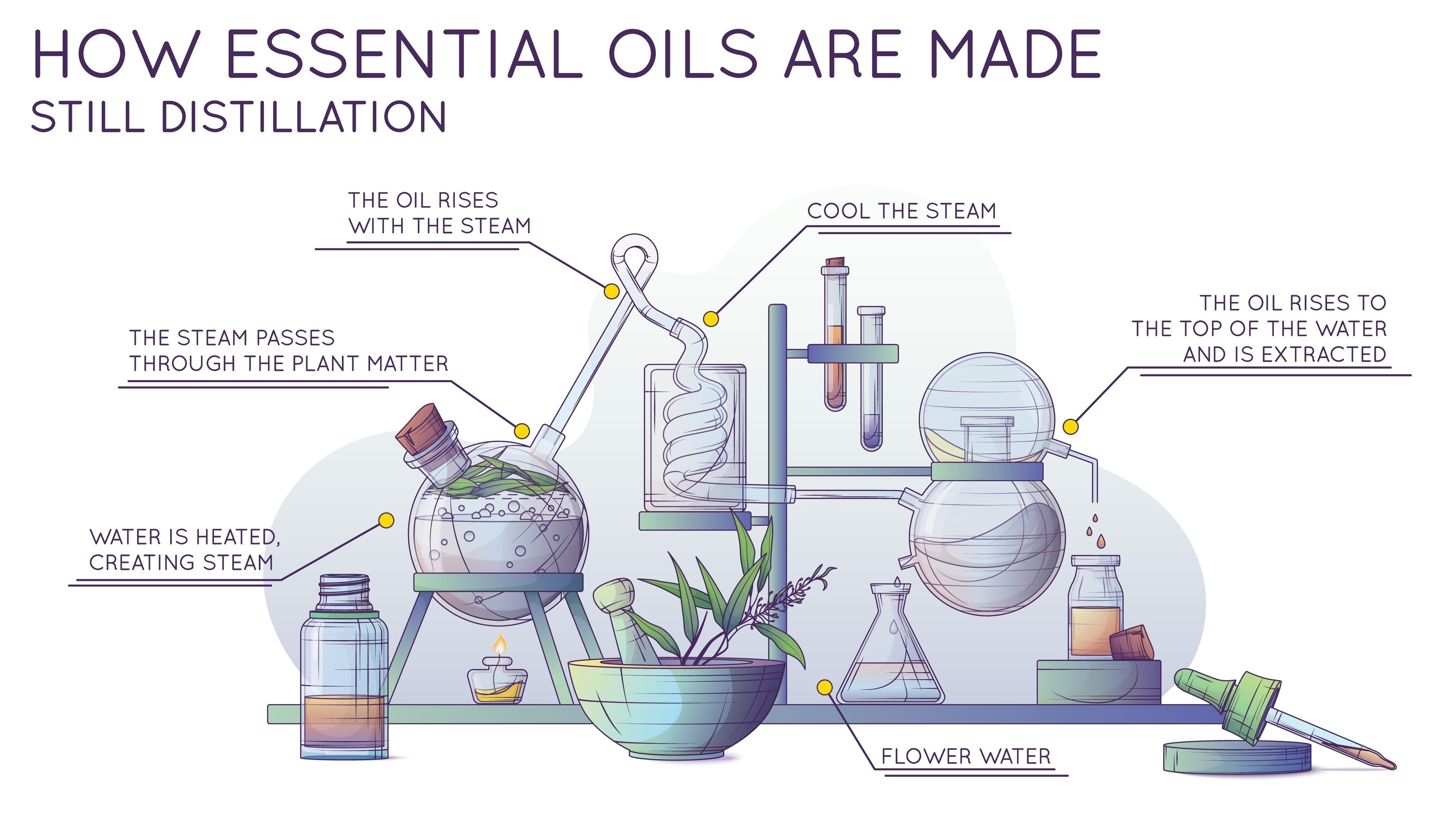
These roots are thick and woody. To get the oil, the roots are dried and then put through a process called steam distillation.
The Scent: The first thing you’ll notice about Jatamansi is the smell. It isn't sweet or floral like a rose. It is very earthy, woody, and slightly musky. It smells like the damp forest floor. To some, it feels "ancient." Because it is a "base note," the scent lasts a long time. This makes it very valuable for perfume makers and those creating long-lasting body oils.
The Benefits: African buyers are interested in Jatamansi for a few specific reasons:
- Skin Care: It is excellent for "calming" the skin. It helps with redness and irritation.
- Hair Care: It has a long reputation for strengthening hair roots and helping with growth.
- Mental Wellness: It is one of the best oils for grounding. It helps people feel less scattered.
- Sleep: Many use it as a natural way to deal with insomnia or restlessness.
Why the Demand Is Growing in Africa
Why is this happening now? Why wasn't Jatamansi big five years ago? It comes down to a few real-world changes in the African market.
- The Rise of Local Brands: If you walk into a boutique in Accra or a mall in Johannesburg, you will see local brands that didn't exist a decade ago. These founders are smart. They want to stand out. They don't want to just sell the same Lavender oil everyone else has. They are looking for "hero ingredients" like Jatamansi to make their products unique.
- Mental Health Awareness: There is a much bigger conversation about stress and mental health in Africa today. Busy urban lifestyles in cities like Lagos or Cairo are stressful. People are looking for natural ways to unwind at home. This has led to a boom in aromatherapy and diffusers. Jatamansi is the "heavy hitter" in the world of relaxation oils.
- Trust in Plant-Based Ingredients: Many African consumers are moving away from synthetic chemicals. They’ve seen the damage that some harsh hair relaxers or skin-bleaching products can do. There is a "return to the roots"—literally. People trust oils that come from the earth, and Jatamansi’s long history in traditional medicine gives it a lot of credibility.
- Social Media and Global Trends: African influencers are connected to global wellness trends. When they see Jatamansi being talked about in Europe or Asia for its "anti-aging" or "anxiety-relief" properties, they share that with their followers in Kenya or Nigeria. This creates an immediate demand that wholesalers need to fill.
Top African Countries Showing Strong Demand
Demand isn't the same everywhere. Different regions use Jatamansi for different things. Let’s look at the "Big Five" markets right now.
- Nigeria: Nigeria is the giant of Africa when it comes to business. In Lagos and Abuja, the skincare industry is massive. There is a huge community of "formulators"—people who make their own soaps, lotions, and hair oils. They are buying Jatamansi in bulk to add to their "herbal" hair growth lines. If you are a wholesaler in Nigeria, you know that if a product helps with hair or glowing skin, it will sell.
- South Africa: The South African market is a bit more focused on the high-end spa and wellness sector. People in Cape Town and Johannesburg are very into "holistic" living. Jatamansi is popular here in luxury massage oils and aromatherapy blends. There is also a strong interest in "clean" perfumes, where Jatamansi serves as a natural fixative.
- Kenya: Kenya is the hub for wellness in East Africa. Nairobi has a growing "yoga and mindfulness" culture. This creates a steady demand for grounding oils used in meditation and diffusers. Kenyan buyers also value Jatamansi for its medicinal feel; they often use it in traditional herbal blends for sleep.
- Ghana: In Ghana, the focus is heavily on hair and scalp health. With the "Natural Hair" movement being very strong, ingredients that promote thickness and strength are in high demand. Jatamansi is often blended with local oils like Shea or Baobab to create premium hair treatments.
- Egypt: Egypt has a thousands-of-years-old history with perfume and herbal medicine. They appreciate the deep, resinous scent of Jatamansi. Here, it is often found in more traditional "attars" or concentrated perfume oils. Egyptian manufacturers are also looking at Jatamansi for its skin-rejuvenating properties in face serums.
Where Jatamansi Oil Fits in the Industry
Think of the essential oil world like a toolbox.
- Lavender is the general-purpose tool. Everyone has it.
- Rosemary is the tool for hair.
- Peppermint is for energy.
Jatamansi is the "anchor." It is a base note. In the industry, it is used to hold other scents together. If you mix Orange oil with Jatamansi, the Orange scent will actually last longer on the skin.
Compared to Sandalwood, which is becoming very expensive and hard to find, Jatamansi offers a similar woody, grounding experience but with its own unique "spicy" twist. It is the perfect choice for a brand that wants to offer something "premium" without the extreme price tag of Rose or Sandalwood.
Market Drivers in Africa
What is pushing this market forward? Here is a simple list of the real-world factors:
- Private Labeling: It is now very easy for a small business to buy bulk oil from a supplier like AG Organica and put their own label on it. This has lowered the barrier to entry.
- The Youth Bulge: Africa has the youngest population in the world. Young people are more experimental and more interested in self-care than previous generations.
- Urbanization: As more people move to cities, they lose their connection to local village herbs. They replace this by buying bottled essential oils that offer the same natural benefits.
- Online Shopping: Platforms like Jumia and Konga, and even Instagram, have made it possible for a small oil brand in a small town to sell to customers across the country.
- Safe Beauty: People are afraid of "fake" products. They want oils with clear documentation and a trusted source.
Business Opportunities for African Buyers
If you are reading this, you are probably looking for a way to profit from this trend. Here is who can benefit:
- Essential Oil Wholesalers: By adding Jatamansi to your catalog, you offer your customers something "new" but "proven." It helps you move away from competing only on price with common oils like Lemon or Eucalyptus.
- Cosmetics Manufacturers: If you make soaps or lotions, Jatamansi is a great ingredient for a "night-time" or "calming" range. It adds an "expensive" scent profile to your products for a reasonable cost.
- Spa and Wellness Chains: Spas can create "signature treatments" using Jatamansi. A "Himalayan Grounding Massage" sounds much more interesting than a standard massage, and you can charge a premium for it.
- Private-Label Brands: Launching a "Sleep Mist" or a "Stress-Relief Rollerball" with Jatamansi as the star ingredient is a very smart business move in 2026. The market is ready for it.
How Brands in Africa Are Using Jatamansi Oil
Let’s look at some real-world product ideas that are working in the African market right now:
- The "Sleep Spray": Distilled water, a little alcohol, and a blend of Jatamansi and Lavender. People spray this on their pillows before bed.
- The "Growth Serum": A mix of Castor oil, Rosemary, and Jatamansi. Targeted at thinning hairlines or "edges."
- The "Glow Face Oil": Jojoba oil blended with Jatamansi and Geranium. It is marketed as a luxury night serum to fix uneven skin tone.14
- Grounding Diffuser Blends: Sold in small 10ml bottles for home use. A popular mix is Jatamansi, Frankincense, and Orange.
- Herbal Soaps: Cold-process soaps using Jatamansi for its earthy color and long-lasting scent.
Comparison Chart: AG Organica vs. Typical Suppliers
When you buy in bulk, the supplier you choose matters. Not all oils are the same.
|
Feature |
AG Organica |
Typical Suppliers |
|
Source Quality |
High-grade roots from trusted farms. |
Mixed quality, sometimes "filler" oils. |
|
Purity Testing |
Full in-house lab testing (COA/MSDS). |
Often basic or no testing provided. |
|
Bulk Supply |
Ready for small (1kg) to large (1000kg+) orders. |
Often have very high MOQs. |
|
Private Label |
Yes, full packaging support available. |
Rare or very expensive. |
|
Certifications |
ISO, GMP, Organic (Ecocert). |
Not always available or verified. |
|
Custom Formulation |
We can blend it for you. |
Usually "as is" only. |
|
Support for Africa |
Experienced export and shipping team. |
Limited understanding of African logistics. |
Challenges in the African Market
It isn't all easy. If you are doing business in Africa, you have to be realistic about the hurdles.
- Import Costs: Customs duties and shipping can be expensive. That’s why buying in larger bulk usually makes more sense to save on per-kilo costs.
- Local Awareness: While demand is growing, you still need to "educate" your customers. They might know Lavender, but you’ll have to tell them why they need Jatamansi.
- Market Fluctuations: Currency changes can make prices jump. Finding a supplier with stable pricing is key.
- Risk of "Fake" Oils: Because Jatamansi is a premium oil, some unscrupulous sellers mix it with cheaper oils. This is why you must demand a Certificate of Analysis (COA).
How AG Organica Supports African Buyers
At AG Organica, we don’t just want to sell you a bottle of oil. We want to be your partner in the African market. We have been working with businesses in Nigeria, Kenya, and South Africa for years.
We know that you need consistency. If you build a brand around a specific scent, you need the next batch to smell exactly the same as the first one. We ensure that our Jatamansi oil is always high-purity and high-potency.
We also offer Private Labeling. If you have a great idea for a brand but don’t have a factory, we can handle everything. We make the oil, we put it in the bottles, we apply your labels, and we ship it to you. It’s a "business in a box" model that works very well for African entrepreneurs.
Lastly, we handle the paperwork. We provide all the documentation you need for customs and local health regulators (like NAFDAC in Nigeria).
Future Demand Forecast (2026-2030)
Where is this going? We expect the demand for Jatamansi in Africa to grow by at least 5-7% every year for the next five years.
As more African countries develop their own manufacturing sectors, they will need reliable raw materials. The "Wellness Economy" in Africa is still in its early stages. In the coming years, we will see Jatamansi becoming a standard ingredient in hair conditioners, luxury candles, and even natural cleaning products.
The brands that start using it now will have the advantage of being the experts when the market truly explodes.
Conclusion
Jatamansi oil is more than just a trend. It is a powerful, versatile tool for any business in the African beauty and wellness space. It solves real problems—stress, sleep issues, and hair loss—and it offers a unique, premium scent that customers love.
If you are looking for a way to differentiate your brand or your wholesale stock, Jatamansi is a very smart choice. It is grounded in history but perfect for the modern African consumer.
At AG Organica, we are ready to help you bring this incredible oil to your market. Whether you need a few kilograms to test a new formula or a ton for a major product launch, we’ve got you covered.