
Why Coconut Oil Remains a Bestseller in the Global Market
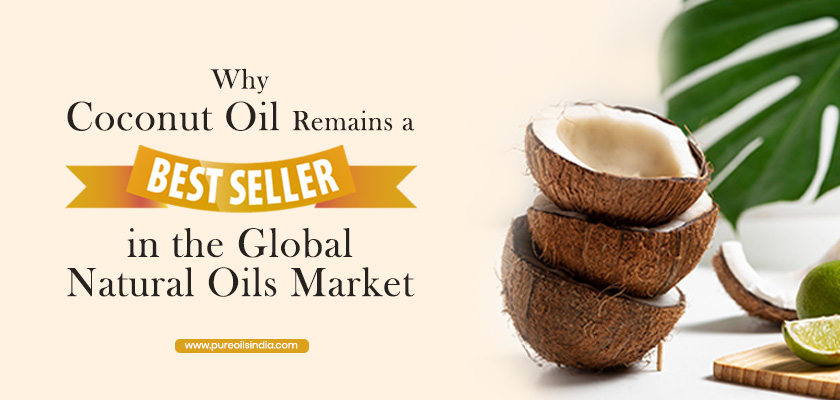
Coconut Oil in the Global Market
Coconut oil remains a global bestseller due to its remarkable versatility across multiple industries, a strong consumer shift toward natural and organic products, and its association with a variety of perceived health and beauty benefits. A multi-billion dollar market, coconut oil is driven by its extensive applications in food, cosmetics, and personal care.
Versatility in products and uses
Coconut oil's wide array of applications across various sectors ensures a broad consumer base and sustained demand.
- Food and beverage: Its rich, nutty flavor and high smoke point make coconut oil a popular choice for cooking, frying, and baking, especially in Asian and tropical cuisines. It is also a favored ingredient in processed foods, baked goods, vegan products, and confectioneries.
- Cosmetics and personal care: Known for its moisturizing, antibacterial, and antioxidant properties, coconut oil is a staple in skincare and haircare. It is used in moisturizers, hair masks, and scalp treatments to improve hydration, shine, and overall hair and skin health.
- Pharmaceuticals: Medium-chain triglycerides (MCTs) in coconut oil have been explored for various health applications, including potential immune support and anti-inflammatory properties, driving its use in certain health supplements.
- Industrial applications: In addition to consumer products, coconut oil is used as a raw material in the manufacturing of detergents, surfactants, and even as a biofuel.
Demand for natural and organic products
A major trend influencing the market is the growing consumer preference for natural, organic, and clean-label ingredients.
- Health-conscious consumers: Consumers are increasingly seeking out minimally processed and organic options, with many willing to pay a premium for certified organic virgin coconut oil.
- Rise of organic options: The market for organic coconut oil is expanding, with significant growth projections, as it aligns with health and wellness trends.
- Avoidance of chemicals: Many consumers are actively avoiding products that contain synthetic chemicals and preservatives, making naturally-derived coconut oil an appealing alternative.
Perceived health and wellness benefits
While health authorities like the American Heart Association advise caution due to its high saturated fat content, many consumers continue to purchase coconut oil based on popular perceptions of its health benefits.
- Supports metabolism and weight management: Some consumers believe the MCTs in coconut oil can boost metabolism and aid in weight loss.
- "Good" cholesterol: Though research indicates it can raise both HDL ("good") and LDL ("bad") cholesterol, some focus on its ability to increase HDL levels as a health benefit.
- Immune support: Coconut oil's lauric acid is thought to have antimicrobial and antiviral properties that can strengthen the body's immune system.
Marketing and consumer trends
The global success of coconut oil is also propelled by powerful marketing trends and consumer behaviors.
- Celebrity and social media endorsements: Endorsements and user testimonials have amplified the hype around coconut oil's benefits for health and beauty.
- Popular diets: Its use has been popularized by trending diets such as the ketogenic and paleo diets.
- Growth of e-commerce: Online retail platforms have made a wide variety of coconut oil products easily accessible to consumers around the world, driving brand awareness and market expansion.
Market Perspective: A Global Powerhouse
The global coconut oil market is a robust and growing sector. Valued at approximately USD 5.7 billion in 2022, it is projected to grow to over USD 10 billion by 2030, with a Compound Annual Growth Rate (CAGR) of over 7%. This impressive growth is fueled by an increasing consumer shift toward natural, plant-based products, coupled with a growing awareness of coconut oil's versatile benefits across multiple industries.
The market is segmented by product type, application, and end-use, with the personal care and food and beverage sectors being the primary growth drivers.
The Power of Purity and Versatility
For B2B buyers, the appeal of coconut oil lies in its unique combination of functional properties and consumer-facing benefits. Unlike other plant oils, coconut oil is celebrated for its rich composition, particularly its high concentration of medium-chain triglycerides (MCTs), including lauric acid. This profile makes it a highly sought-after ingredient for both topical and internal applications.
- Food & Beverage: Refined, bleached, and deodorized (RBD) coconut oil is a preferred choice for food manufacturers due to its neutral flavor, high smoke point (>200∘C), and long shelf life. It is widely used in baking, frying, and as a butter or margarine substitute. Its high saturated fat content, particularly lauric acid, is a key driver for its use in products aligned with popular diets like keto and paleo.
- Cosmetics & Personal Care: The cosmetic industry is one of the largest consumers of coconut oil. Its moisturizing, antimicrobial, and antioxidant properties make it a foundational ingredient for skincare, haircare, and soap-making. It is a hero ingredient in products ranging from lotions and balms to hair masks and serums.
Key Market Drivers & Consumer Trends
Several factors contribute to coconut oil's sustained position in the market:
- Rising Demand for Natural and Organic Products: Consumers are increasingly seeking clean-label products with simple, natural ingredient lists. Coconut oil, with its single-ingredient origin, perfectly aligns with this trend.
- Growth of the Personal Care and Cosmetics Sector: The personal care market is a major engine for the coconut oil industry. As consumers become more educated on ingredients, they are turning to well-known, natural solutions like coconut oil for their skin and hair.
- Expansion of Plant-Based Diets: The global shift toward plant-based and vegan lifestyles has opened new opportunities for coconut oil, which is a popular dairy alternative in milks, creams, and other food products.
Key Benefits: The Multifaceted Value of Coconut Oil
For businesses, understanding the core benefits of coconut oil is essential for product development and marketing. It's not just an ingredient; it’s a promise of purity and efficacy.
Skin & Skincare
Coconut oil is a natural emollient, making it an excellent moisturizer for dry and rough skin. Its benefits are supported by both traditional use and modern research:
- Deep Hydration: The fatty acids in coconut oil, such as capric and lauric acid, form a protective barrier on the skin, preventing moisture loss and keeping skin hydrated.
- Antimicrobial and Anti-inflammatory Properties: Lauric acid is known for its strong antimicrobial and antifungal properties, which can help combat skin conditions like acne, dermatitis, and eczema.
- Antioxidant Power: Coconut oil contains antioxidants that help neutralize free radicals, reducing the signs of aging and promoting a youthful complexion.
Haircare
Hair is the number one application for coconut oil in many parts of the world, and for good reason. It has a unique ability to penetrate the hair shaft, providing deep nourishment that other oils cannot.
- Reduces Protein Loss: Studies have shown that coconut oil can significantly reduce protein loss from hair, which is a major cause of damage and breakage.
- Adds Shine and Strength: It smooths the hair cuticle, tames frizz, and improves manageability, leading to stronger, healthier-looking hair.
- Scalp Health: Its antifungal properties can help reduce dandruff and soothe scalp irritation, making it a comprehensive hair and scalp treatment.
Wellness & Multipurpose Uses
Beyond beauty, coconut oil's versatility is its greatest asset.
- Culinary Applications: From high-heat frying to a healthy fat source for smoothies, its uses in the kitchen are extensive.
- Oral Health: Coconut oil is a key ingredient in "oil pulling," an ancient practice believed to improve oral hygiene.
- Carrier Oil: It is a widely used carrier oil for essential oils due to its neutral scent and stability. For example, it is often blended with rosemary essential oil for hair treatments. (internal link: "Top 10 Skincare Benefits of Rosemary Essential Oil").
Why B2B Buyers are Choosing Coconut Oil
Q: What makes coconut oil an attractive ingredient for manufacturers?
A: Manufacturers and B2B buyers choose coconut oil for its high stability, long shelf life, and versatility. Its ability to serve as a base for products in multiple categories—from food and beauty to wellness—streamlines supply chains and reduces the need for a wide range of specialized ingredients. This cost-effectiveness and broad application make it a reliable and profitable choice for businesses.
The Buyer Focus: Strategic Insights for B2B Success
Understanding the B2B buyer is crucial. Their decisions are driven by factors like supply chain reliability, quality, certification, and the potential for a high return on investment.
Supply Chain & Reliability
A reliable Bulk Coconut Oil Supplier is the cornerstone of any successful product line. B2B buyers require:
- Consistent Quality: The oil must meet specific standards for purity, color, and fatty acid composition.
- Scalability: The supplier must be able to handle large, consistent orders to support high-volume production.
- Logistics & Timeliness: Efficient shipping and clear communication are essential to prevent production delays.
Private Labeling & Customization
For aspiring brands and established businesses looking to expand their portfolio, private labeling offers a fast track to market. A trusted Private Label Coconut Oil manufacturer provides a complete solution from concept to completion. This includes:
- Formulation Development: Creating custom blends for specific product functions (e.g., a moisturizing body butter or a smoothing hair serum).
- Packaging & Branding: Offering a range of packaging options and design services to build a unique brand identity.
- Regulatory Compliance: Ensuring the final product meets all relevant industry standards and certifications.
This allows brands to leverage the popularity of coconut oil without the complexities of in-house manufacturing, enabling a faster speed-to-market and higher profit margins.
Challenges & Sustainability: A Responsible Approach
While coconut oil's benefits are clear, the industry faces important challenges, particularly concerning sustainability and ethical sourcing. Responsible businesses must address these issues to build consumer trust and ensure a stable supply chain.
- Sourcing: The majority of the world's coconuts are grown by smallholder farmers in countries like Indonesia and the Philippines. Price volatility and low farmer income are significant social challenges. Businesses committed to ethical sourcing work with suppliers who ensure fair wages and safe working conditions.
- Environmental Impact: While coconut palms are a high-yield crop, the increasing global demand for coconut oil can lead to unsustainable farming practices, including monoculture farming which depletes soil nutrients. Sourcing from suppliers who practice agroforestry and organic farming is critical for environmental sustainability.
- Certifications: Quality assurance is paramount for B2B buyers. Certifications like USDA Organic, GMP (Good Manufacturing Practice), Kosher, and Halal provide third-party validation of a product's purity and ethical standards. When working with a Coconut Oil Manufacturer, verifying these certifications is a non-negotiable step.
Actionable Insights for Your Business
For B2B buyers and brand owners, navigating the coconut oil market requires a strategic approach. Here’s how to effectively leverage its popularity:
- Diversify Your Product Portfolio: Don't just offer pure coconut oil. Develop a range of products that showcase its versatility. Consider private labeling coconut oil-based lotions, hair masks, or even a line of flavored cooking oils.
- Highlight the "Hero" Ingredient: When marketing products, focus on coconut oil as a "hero" ingredient. Educate your customers on its specific benefits, such as its ability to reduce protein loss in hair or act as a natural moisturizer for the skin.
- Invest in Quality and Transparency: Partner with a reputable supplier that provides full traceability and holds relevant certifications. This not only ensures a high-quality product but also allows you to tell a compelling story about your brand's commitment to sustainability and ethical sourcing.
- Explore Different Forms: Coconut oil comes in various forms, including virgin, refined (RBD), and fractionated. Understanding the differences is key to product development. For example, fractionated coconut oil is a liquid form often used in skincare and aromatherapy because it is less greasy and has a longer shelf life.
- Capitalize on Multipurpose Applications: Create products that serve multiple purposes. A single coconut oil-based formula could be marketed as a makeup remover, a hair conditioner, and a body moisturizer, appealing to consumers who value simplicity and efficiency in their routines.
Frequently Asked Questions for Buyers & Brand Owners
- Q: What is the difference between virgin and refined coconut oil for a manufacturer?
Virgin coconut oil (VCO) is extracted from fresh coconut meat without the use of heat or chemicals, preserving its natural coconut aroma and flavor. It retains more antioxidants and is often marketed for its health and wellness benefits. Refined coconut oil (RBD) is made from dried coconut meat (copra) and undergoes a refining, bleaching, and deodorizing process. This results in a neutral-tasting, odorless oil with a higher smoke point, making it ideal for food manufacturing and high-heat applications where a coconut flavor is undesirable. - Q: How can I ensure my bulk coconut oil supplier is ethical?
To ensure your Bulk Coconut Oil Supplier is ethical, look for certifications from organizations like Fair Trade, Rainforest Alliance, or others that guarantee fair wages, safe working conditions, and sustainable farming practices. Request documentation and inquire about their supply chain transparency. A reputable supplier will be able to provide detailed information on their sourcing and production methods. - Q: Is it profitable to launch a private label coconut oil brand?
Yes, launching a Private Label Coconut Oil brand can be highly profitable. The market for natural oils is strong, and private labeling allows you to control your branding, marketing, and pricing without the high overhead of manufacturing. By focusing on a niche market (e.g., organic, fair-trade, or a specific application like hair serums), you can differentiate your brand and build a loyal customer base.
Conclusion
Coconut oil has proven to be far more than a passing trend. Its versatility, health benefits, and widespread consumer acceptance have cemented its status as a best-selling natural oil. For B2B buyers, importers, and brand owners, the market offers a wealth of opportunities, from bulk supply and custom formulations to private labeling. By focusing on quality, sustainability, and strategic market positioning, businesses can successfully navigate the global market and build a profitable future with this timeless ingredient.