
Sandalwood Oil Demand Perfumery and Cosmetics 2025
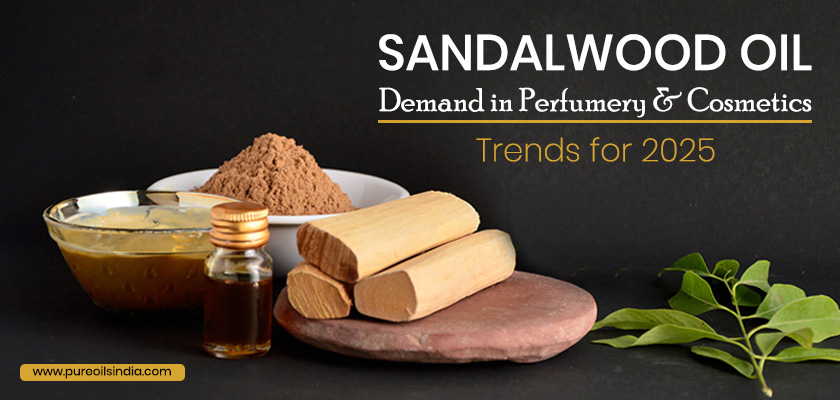
The global market for essential oils is a dynamic landscape, but few ingredients possess the enduring appeal and high-value status of sandalwood oil. For centuries, this precious oil has been a cornerstone of perfumery and a treasured remedy in traditional skincare. As we look ahead to 2025, the demand for sandalwood oil is not just holding steady—it's experiencing a significant surge, driven by a powerful confluence of consumer trends and industry shifts. For perfumers, cosmetic formulators, and business owners, understanding these trends is crucial for strategic positioning and innovation.
This blog post will delve into why sandalwood oil remains a central ingredient in the world of high-end fragrances and cosmetics. We'll explore the market drivers, key applications, and the defining trends of 2025, offering a strategic guide for businesses looking to leverage the timeless allure of sandalwood.
Market Insights & Growth Drivers
The global sandalwood oil market is on a robust growth trajectory. While projections vary, the consensus points to continued expansion, fueled by a rising consumer preference for natural, clean-label products. In 2025, the market is poised to be valued at approximately USD 259 million, with a projected CAGR of over 13% through 2033. This growth is largely concentrated in three key industries:
- Luxury Perfumes: Sandalwood oil remains a non-negotiable component in premium and niche fragrances. Its unique properties as a base note and fixative are unmatched, ensuring its continued dominance in this sector.
- Natural Cosmetics & Skincare: The "clean beauty" movement has made consumers more discerning than ever, driving demand for natural ingredients with proven benefits. Sandalwood oil's anti-inflammatory and soothing properties make it a perfect fit for this market.
- Aromatherapy and Wellness: With a global focus on mental and emotional well-being, the calming and grounding effects of sandalwood oil are highly sought after in aromatherapy products, from diffusers to therapeutic massage oils.
This surge in demand is part of a larger, global shift. Consumers are increasingly willing to pay a premium for products that are not only effective but also ethical, transparent, and aligned with their personal values. The story behind an ingredient—its origin, sustainability, and benefits—is now as important as the product's performance.
>>> Premium / Rare: Sandalwood Oil Luxury Wholesale Market
Sandalwood in Perfumery: The Art of the Base Note
In the complex symphony of a fragrance, sandalwood oil is the foundation. It serves as a base note, which is the scent that emerges after the top and middle notes have evaporated. A good base note provides depth, richness, and longevity to a perfume.
- Aroma Profile: The aroma of sandalwood oil is a masterclass in complexity. It is warm, creamy, and woody with a smooth, balsamic sweetness. Unlike sharper woody notes, it is soft and well-rounded, lending a sensual and comforting quality to a fragrance.
- Fixative Properties: One of sandalwood’s most valuable attributes in perfumery is its function as a fixative. It helps "fix" or anchor the more volatile top and middle notes to the skin, preventing them from evaporating too quickly. This ensures the perfume's longevity and allows the fragrance to develop over time.
- Case Studies: Iconic fragrances have long relied on sandalwood oil to create their signature character and staying power.
- Chanel No. 5: While a complex blend, the classic fragrance uses sandalwood as a crucial base note to provide its famous depth and enduring elegance.
- Guerlain's Samsara: This fragrance was revolutionary for its time, placing sandalwood at the forefront. The blend of sandalwood and jasmine created a rich, luxurious, and uniquely oriental scent that became an instant classic.
- Le Labo's Santal 33: This modern cult classic brought sandalwood back into the mainstream for a new generation. Its unique blend of sandalwood, cedarwood, and leather notes redefined the woody fragrance category, proving sandalwood's versatility and modern appeal.
>> Fragrances vs Perfumes: Unraveling the Mystique
Sandalwood in Cosmetics & Skincare: A Return to Nature
The clean beauty movement, which emphasizes natural ingredients and sustainable practices, has revitalized the use of sandalwood oil in cosmetics. Its therapeutic benefits are not just for scent; they offer tangible improvements for the skin.
- Benefits for Skin: Sandalwood essential oil is renowned for its skincare benefits, which include:
- Anti-inflammatory: It helps calm irritated skin, making it an ideal ingredient for formulations targeting redness, rosacea, or sensitive skin.
- Calming and Soothing: Its mild, non-irritant nature makes it suitable for use in products designed to soothe conditions like eczema or dermatitis.
- Anti-aging: Sandalwood oil contains powerful antioxidants that help combat free radical damage, which contributes to premature aging. It can help reduce the appearance of fine lines and promote a more youthful complexion.
- Applications: Sandalwood oil is a versatile ingredient that can be found across a wide range of cosmetic products.
- Creams and Serums: It is added to high-end moisturizers and facial serums to enhance their anti-aging and soothing properties.
- Soaps and Cleansers: Its natural antimicrobial qualities make it a valuable ingredient in soaps and cleansers, helping to purify the skin.
- Ayurveda-Inspired Formulations: The growing interest in Ayurvedic principles in Western markets has led to a surge in products featuring sandalwood, often in combination with turmeric, rose, and other traditional ingredients.
>> Cosmetic Third-Party Manufacturing in India: Benefits & Trends
Trends to Watch in 2025
The year 2025 will be defined by several key trends that will shape the sandalwood oil market and present both challenges and opportunities for businesses.
- Sustainable Sourcing and Ethical Harvesting: Consumers and brands alike are demanding greater transparency in their supply chains. The days of wild harvesting are over. In 2025, a brand’s ability to prove that its sandalwood oil is sourced from sustainable, ethically managed plantations will be a major differentiator. Certifications from bodies that ensure fair labor practices and reforestation efforts will become a standard expectation.
- Natural vs. Synthetic Alternatives: The high cost and scarcity of natural sandalwood oil have led to the development of synthetic substitutes. While these alternatives offer a cost-effective solution, they lack the chemical complexity and therapeutic benefits of the natural oil. The market for natural sandalwood oil remains strong, especially in the luxury sector, where authenticity is paramount.
|
Feature |
Natural Sandalwood Oil |
Synthetic Substitutes |
|
Source |
Steam distillation of heartwood from sandalwood trees (Santalum album, Santalum spicatum). |
Lab-created chemical compounds (e.g., Javanol, Ebanol). |
|
Aroma |
Complex, multi-layered, creamy, and long-lasting. |
Often a single-note, flat, and less nuanced aroma. |
|
Therapeutic Benefits |
Anti-inflammatory, antimicrobial, and calming properties. |
None. Primarily used for fragrance. |
|
Market Positioning |
Luxury, premium, clean beauty, and aromatherapy. |
Mass-market fragrances and personal care. |
|
Cost |
Very high due to rarity and production time. |
Significantly lower. |
- Regulatory Updates: Global trade regulations, particularly those concerning the import and export of a protected species like Indian sandalwood, will continue to influence supply. Businesses must stay updated on these regulations to avoid disruptions and ensure compliance.
- Private and White-Label Expansion: As the clean beauty market matures, more private and white-label manufacturers are incorporating premium ingredients like sandalwood oil into their formulations. This trend allows smaller brands to quickly launch high-quality products without the extensive R&D and supply chain management required for bespoke formulations.
>> Demystifying Cosmetics Manufacturing: Understanding OEM, ODM ...
Regional Demand Analysis
The demand for sandalwood oil is a global phenomenon, but it manifests differently across key markets.
- Asia-Pacific: India and Australia are not just key producers but also major consumers. India’s domestic consumption is high due to its historical use in religious ceremonies and traditional medicine. In Australia, the focus is on a robust, sustainably managed supply chain, making it a key exporter.
- North America: The United States and Canada are leading importers, driven by a strong wellness culture and a booming clean beauty market. Consumers in these regions are increasingly seeking out natural, eco-friendly ingredients with demonstrable health benefits.
- Europe: Europe has a well-established luxury fragrance and cosmetics industry. Countries like France, the UK, and Germany are key markets for high-end sandalwood oil, where it is used in both traditional and innovative formulations.
- Middle East: The Middle East has a long-standing appreciation for rich, woody, and oriental fragrances. Sandalwood oil is a staple in regional perfumery and is highly valued for its warm, spiritual character.
Challenges & Opportunities
While the demand for sandalwood oil is strong, the industry faces significant challenges.
- Supply Chain Issues and Adulteration Risks: The high value of sandalwood oil makes it a target for adulteration. This can involve diluting the oil with cheaper essential oils or adding synthetic compounds. Businesses must work with trusted suppliers who provide rigorous third-party testing (GC-MS reports) to guarantee purity.
- Ethical Sourcing: Ensuring that the oil is sourced from legal and sustainable operations is crucial for maintaining brand integrity and meeting consumer expectations.
>> Therapeutic Grade vs Cosmetic Grade Essential Oils
Despite these challenges, there are numerous opportunities for growth.
- Product Innovation: Brands can leverage sandalwood oil to create innovative products that blend its fragrance with its therapeutic benefits. Examples include anti-stress serums, calming face mists, or gender-neutral perfumes that appeal to a new generation of consumers.
- Strategic Partnerships: Collaborating with certified sustainable plantations can provide a stable, high-quality supply chain and a powerful marketing story.
Actionable Strategies for Businesses
For businesses looking to capitalize on the sandalwood oil trend in 2025, here are some actionable strategies:
- Leverage Luxury Positioning: Market sandalwood-infused products as an indulgence, emphasizing its rarity, historical significance, and unique aroma. Highlight its use in high-end perfumery to attract a luxury-conscious consumer base.
- Focus on Sustainability: Make your sustainability claims a core part of your brand narrative. Use your website and marketing materials to tell the story of your sandalwood oil—where it comes from, how it's harvested, and your commitment to ethical sourcing.
- Create Wellness Crossover Products: Position sandalwood-infused products at the intersection of beauty and wellness. For example, a sandalwood face serum can be marketed as a nightly ritual that not only nourishes the skin but also promotes relaxation and a good night's sleep.
>> Healing Power of Sandalwood Essential Oil
Conclusion
As we navigate the trends of 2025, one thing is clear: sandalwood oil will remain a central, high-demand ingredient in the perfumery and cosmetics industries. Its unique combination of a timeless aroma, powerful therapeutic benefits, and a narrative of rarity and sustainability positions it as the gold standard for luxury and natural products. For businesses, the key to success lies in understanding these trends and focusing on authenticity, transparency, and product innovation. By doing so, they can not only meet the surging demand but also build a brand that resonates deeply with the values of the modern consumer.
FAQs
- Why is sandalwood oil popular in perfumes?
Sandalwood oil is popular in perfumes for its unique, creamy-woody aroma that provides depth and warmth to a fragrance. It is a classic base note that is also a natural fixative, meaning it helps other, more volatile notes last longer on the skin. Its ability to add complexity and longevity makes it a staple in high-end fragrances. - Is sandalwood oil safe for skin use?
Yes, sandalwood oil is generally considered safe for topical use. It is a non-toxic and non-irritant oil that is gentle on the skin. However, it must always be diluted with a carrier oil (like jojoba or coconut oil) before application. A patch test is recommended before widespread use to check for any personal sensitivity. - What trends will shape sandalwood demand in 2025?
In 2025, sandalwood demand will be shaped by a significant consumer shift towards natural, clean-label products. Key trends include a focus on sustainable and ethical sourcing, the growing popularity of aromatherapy for mental wellness, and the expansion of the clean beauty market, which values the oil’s anti-inflammatory and anti-aging properties.